In meeting their statutory duty, the Harrow council has worked out the draft Serious Violence Strategy report that is before the forthcoming cabinet meeting.
The council will receive £79,000 over three years for discharging the Serious Violence Strategy and delivering the priorities within it, including to reduce Serious Violent Crime with young people below the age of 25 and to tackle Violence against Women and Girls.
In informing the crime and population profiles in Harrow, the report points out that “Serious Violence is not distributed evenly across the population and significant inequalities exist. Certain groups and geographical areas within Harrow are at higher risk of exposure to and involvement in Serious Violence”.
But the portfolio-holder’s forward seems to be less specific about the differential impact of the crime on the groups of people in Harrow: “Violence can impact any resident at any time. We need to act at the earliest stage to prevent acts of serious violence”.
[
Preventing crime without addressing the cause and not knowing who, where and why has limitations, and is usually ineffective!]
For example, the report identifies that “The ethnic profile of survivors recorded by the Met Police shows that Harrow’s white population were impacted most by domestic abuse”.
In generating the violence specific data, the report relies on the incidents reported to the authorities while there is national evidence that some crimes like domestic abuse, including to women and girls, and more so in some communities, are under-reported.
Consequently, the report is less specific about encouraging more and better reporting by and provisions for different communities
[most of the working partners that the report mentions could be less attractive, for example, to the Asian community (at least 45%) who might need the community rather than conventional approach for preventing and tackling the crime].
The strategy, by a diversity-rich council, needs to identify measures to access the groups of people who are more likely to suffer in silence.
Furthermore, as the success criteria of the strategy is based on monitoring the violence incidents reported to the authorities, the success of the strategy need to include gauging improvement in under-reporting, using the ethnic minority reporting data.
Interesting that the council has a ‘multi-agency’ approach in preventing and tackling serious violence and other crime safety measures through pockets of initiatives with pockets of funding, which requires robust central coordination for the effectiveness.
[
The Serious Violence Panel, Safer Harrow etc with several established partnerships that interrelate with the priorities of the Serious Violence Strategy].
Odd that the ‘hate crime’ is not serious enough to be included in the strategy – what an omission!
[
Hate crimes in Harrow* March 23 to Jan 24: 427, including racist and religious crime 396, Anti-Semitic 42, Islamophobic 30, homophobic 29]
*here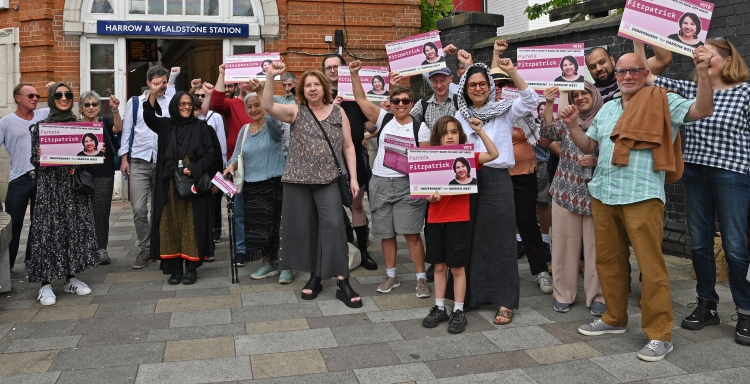 “I’m fighting for a society based on need, not greed” said Pamela Fitzpatrick at the launch of her canvassing session for Harrow West.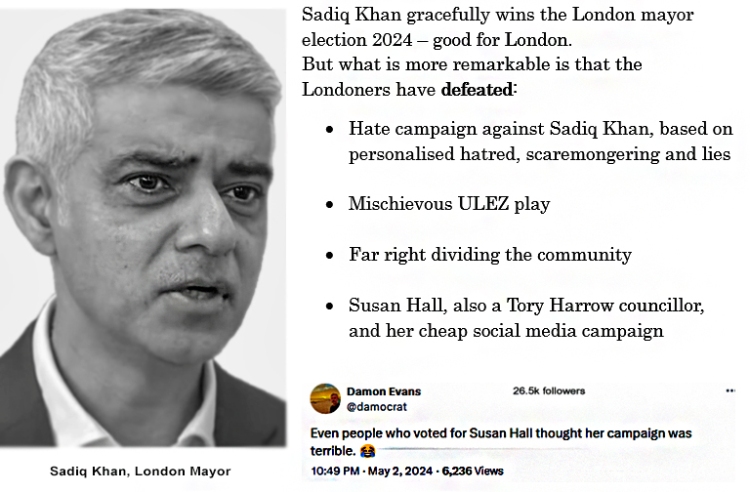
 Anyone who knows Susan Hall, a Harrow councillor and non-elected London Assembly member, would find it difficult to disagree with councillor Susan Hall’s long-term associate Barry Macleod-Cullinane’s defection.
 Pamela Fitzpatrick, a committed activist for social and economic justice, peace, and human rights in Harrow and beyond, is standing as an independent parliamentary candidate for Harrow West.
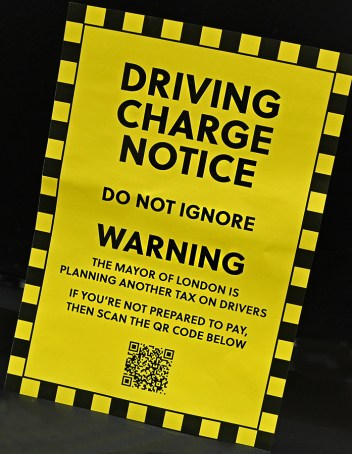 Having heard local concerns, the Harrow Monitoring Group has reported a recent leaflet from the Tory London Mayor candidate Susan Hall, also a Harrow councillor, to the appropriate bodies.
 After launching his re-election campaign today (18 March), London mayor Sadiq Khan said: “Today – in my first major pledge of the Mayoral election campaign – I’ve committed to delivering at least 40,000 new council homes in London by the end of the decade”.
 Pamela Fitzpatrick, a “proud socialist, trade unionist and mum” will be standing as an independent parliamentary candidate in Harrow West at the next general election.
 In an email shot after voting for Labour amended
 The Labour catching phrase ‘immediate and permanent ceasefire’ to the fighting in Palestine after thousands killed, and now repeated by Harrow West MP Gareth Thomas, seems to be catching up!
 Harrow Monitoring Group
You must be logged in to post a comment.